


Canada Visitor Visa from Pakistan
Tourism, Family Visits and Short-Term Business Travel to Canada
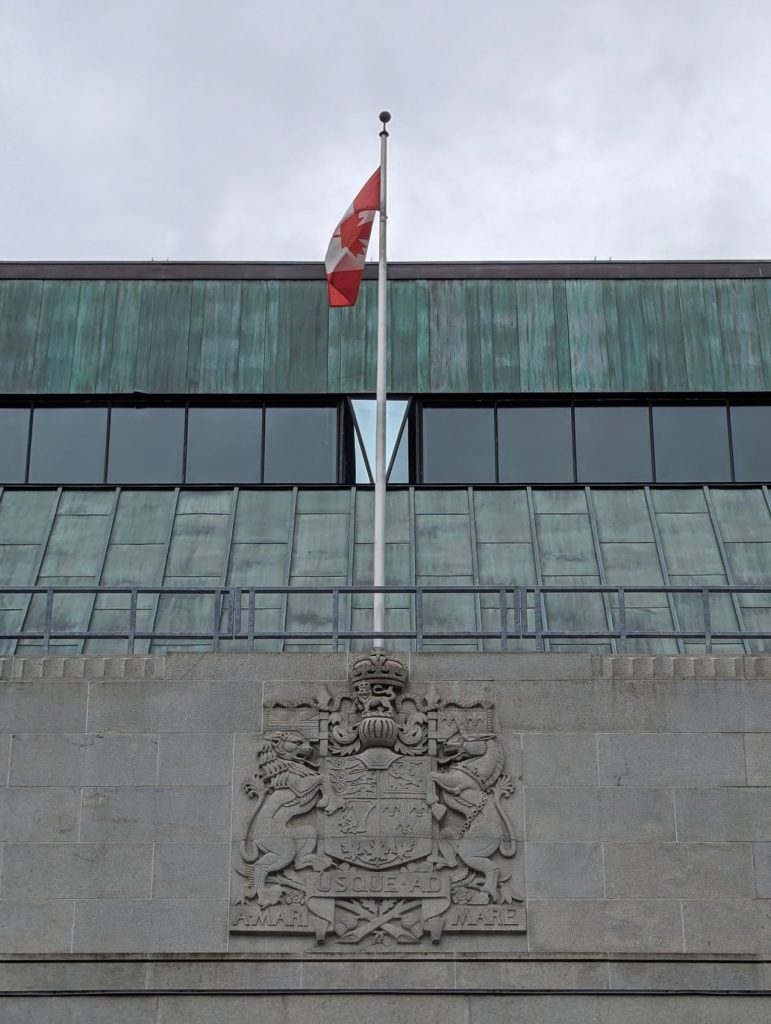
Canada Visitor Visa from Pakistan
Tourism, Family Visits and Short-Term Business Travel to Canada
Planning to visit Canada for tourism, to meet family or friends, attend a wedding, participate in a conference or undertake permitted short-term business activities?
Most Pakistani passport holders require a Canada Visitor Visa, officially called a Temporary Resident Visa or TRV, before travelling to Canada. Pakistan is not included among the visa-required nationalities currently eligible for the limited eTA alternative, so Pakistani citizens normally need a visitor visa even when travelling by air.
Superior Consulting provides professional Canada Visitor Visa assessment and application support through its Karachi Head Office, serving applicants throughout Pakistan. International applicants, UAE residents and clients from the Middle East may also receive support through our Dubai Regional Office.
- Serving Immigration Clients Since 2004
- Karachi Head Office & Dubai Regional Office
- Founder-Level Supervision on Every Case
- No False Guarantees or Visa Promises
Canada Visitor Visa at a Glance
Whether you’re eager to explore Canada’s breathtaking landscapes or reconnect with loved ones, a successful visa application is your first crucial step. Let Superior Consulting guide you through the process, ensuring your journey begins smoothly.
| Question | Current General Position |
|---|---|
| Official name | Temporary Resident Visa |
| Common name | Canada Visitor Visa or Canada Tourist Visa |
| Main purposes | Tourism, family visits and permitted business visits |
| Government fee | CAD 100 per applicant |
| Biometrics fee | CAD 85 per applicant, where required |
| Typical permitted stay | Up to 6 months per entry |
| Maximum visa validity | Up to 10 years, at an officer’s discretion |
| Single or multiple entry | Decided by the visa officer |
| Employment permitted | No |
| Guaranteed approval | No |

What Is a Canada Visitor Visa?
A Canada Visitor Visa is an official document placed in the traveller’s passport showing that the person met the requirements to travel to Canada as a temporary resident.
It may be used for purposes such as:
- Tourism and holidays
- Visiting family or friends
- Attending weddings and family events
- Short compassionate visits
- Business meetings and conferences
- Permitted short-term courses
- Transiting through Canada in certain circumstances
Types of Canada Visitor Visa Applications
Canada Tourist Visa
A tourist application may be suitable for:
- Holidays and sightseeing
- Visiting major Canadian cities
- Visiting national parks or attractions
- Attending cultural or sporting events
- Taking a short vacation
- Visiting friends as part of a tourism trip
A tourist applicant should provide a realistic itinerary, accommodation information, expected travel dates, financial evidence and credible reasons to return after the trip.
Canada Family Visit Visa
A family visit application may be suitable for visiting:
- Parents
- Children
- Siblings
- Spouse or partner
- Grandparents
- Extended family
Canada Business Visitor Visa
A business visitor is a person entering Canada for international business activities without directly entering the Canadian labour market.
Permitted activities may include:
- Attending meetings
- Attending conferences or trade shows
- Meeting Canadian business partners
- Making general business enquiries
- Observing site visits
- Receiving certain product or sales-related training
- Negotiating contracts
Who Can Qualify for a Canada Visitor Visa?
IRCC requires a visitor visa applicant to satisfy the officer that they are a genuine temporary visitor.
Applicants must generally:
- Hold a valid passport or travel document
- Be in good health
- Meet Canada’s admissibility requirements
- Demonstrate sufficient money for the visit
- Establish ties that will take them back to their country of residence
- Convince the officer that they will leave Canada at the end of the authorized stay
A Genuine Purpose of Travel
- Why the applicant is travelling
- Who they intend to visit
- Where they will stay
- How long they intend to remain
- Who will pay for the visit
- What activities they will undertake
- Why the proposed plan is reasonable
A tourist applicant should provide a realistic itinerary, accommodation information, expected travel dates, financial evidence and credible reasons to return after the trip.
Sufficient Financial Capacity
- Return airfare
- Accommodation
- Local transportation
- Food and daily living expenses
- Tourism or event costs
- Medical and emergency expenses
- Expenses of accompanying family members
Strong Reasons to Return
- Stable employment
- An established business
- Spouse or children remaining behind
- Dependent parents
- Current education
- Property ownership
- Investments
- Professional responsibilities
- Commercial contracts
- Approved leave with a defined return date
Compliance With Immigration Laws
Is There a Minimum Bank Balance for a Canada Visitor Visa?
IRCC does not publish one fixed minimum bank balance that applies to every visitor visa applicant.
The required level of funds depends on:
- Proposed length of stay
- Number of travellers
- Travel and accommodation costs
- Whether accommodation is free
- Whether the applicant or host is paying
- The applicant’s income and responsibilities
- The purpose of travel
- The overall credibility of the financial history

What Officers May Examine
- The regular source of income
- Whether the balance is consistent with earnings
- Any large recent deposits
- Whether borrowed money has been temporarily placed in the account
- Who is paying for flights and accommodation
- Whether sufficient funds will remain for responsibilities in Pakistan
- Whether the sponsor genuinely has the ability to pay
Recommended Financial Evidence
Depending on the applicant’s circumstances:
- Personal bank statements
- Salary slips
- Tax returns
- Employment letter
- Business bank statements
- Audited accounts
- Pension documents
- Investment records
- Fixed deposits
- Property rental income
- Sponsor’s bank statements
- Evidence explaining large transactions
Canada Visitor Visa Documents From Pakistan
The exact documents are generated through the applicant’s personalized online checklist. IRCC also maintains the official IMM 5484 checklist for visitor visa applications submitted outside Canada.
Identity and Civil Documents
- Current valid passport
- Copies of previous passports
- CNIC or NICOP
- Family Registration Certificate
- Marriage certificate, where relevant
- Birth certificates of children
- Evidence of a legal name change
- Recent digital photograph, where requested
Pakistan to
Canada


Purpose-of-Travel Documents
- Detailed purpose-of-travel letter
- Proposed travel dates
- Day-by-day or summarized itinerary
- Hotel reservations or accommodation plan
- Invitation letter
- Event or wedding invitation
- Conference registration
- Business meeting agenda
- Tourism plans
- Evidence of the relationship with the Canadian host
Financial Documents
- Recent personal bank statements
- Salary slips
- Tax returns
- Employment income evidence
- Fixed deposits and investments
- Business bank statements
- Audited financial statements
- Sponsor’s bank statements
- Evidence showing the source of any large deposits
Evidence of Ties to Pakistan
- Employment verification
- Approved leave letter
- Business ownership records
- SECP or partnership documents
- FBR tax records
- Property documents
- Family dependency evidence
- School or university enrolment
- Professional licences
- Ongoing commercial contracts
- Evidence of future work or business obligations
Travel-History Evidence
- Previous passports
- Visas issued by other countries
- Entry and exit stamps
- Evidence of compliance with previous visas
- Explanation of any refusal or overstay
Documents for Different Applicant Profiles
Employed Applicants
An employed applicant may provide:
- Employment letter
- Job title and joining date
- Monthly salary
- Approved leave dates
- Confirmation that employment will continue
- Recent salary slips
- Tax records
- Personal bank statements
Business Owners
A business owner may submit:
- SECP registration
- Partnership deed
- NTN and FBR documents
- Business bank statements
- Audited accounts
- Office lease or ownership documents
- Payroll records
- Invoices and client contracts
- Import or export documents
- Evidence showing who will manage the business during the visit
Students
A student may provide:
- Current enrolment letter
- Student identification card
- Academic transcripts
- Holiday or leave confirmation
- Sponsor’s financial documents
- Evidence of the relationship with the sponsor
Retired Applicants
A retired applicant may rely on:
- Retirement documents
- Pension statements
- Savings and investment records
- Property or rental income
- Sponsor evidence
- Family ties and responsibilities in Pakistan
Homemakers and Dependent Applicants
A financially dependent applicant may provide:
- Marriage certificate
- Sponsor’s employment or business records
- Sponsor’s bank statements
- Written financial-support confirmation
- Evidence of household and family circumstances
- Documents showing reasons to return
Canada Invitation Letter Requirements
An invitation letter should be genuine, specific and consistent with the remaining application.
IRCC recommends that it include information about the visitor such as:
- Full name
- Date of birth
- Address and telephone number
- Relationship with the host
- Purpose of the trip
- Intended length of stay
- Accommodation arrangements
- How expenses will be paid
- Proposed departure date

Supporting Host Documents
Depending on the case:
- Canadian passport
- Permanent resident card
- Work or study permit
- Proof of Canadian address
- Employment letter
- Recent payslips
- Notice of Assessment
- Bank statements
- Property lease or ownership evidence
- Proof of relationship with the applicant
Single-Entry or Multiple-Entry
Single-Entry or Multiple-Entry Canada Visa
Multiple-Entry Visa
A multiple-entry visa may allow the holder to travel to Canada repeatedly while the visa remains valid.
It may be issued for up to ten years or until the expiry of the:
- Passport
- Travel document
- Biometrics
An officer may issue it for a shorter period based on the applicant’s circumstances.
Single-Entry Visa
A single-entry visa normally permits one entry to Canada and may be issued where the purpose of travel relates to a specific one-time occasion or where other case-specific considerations apply.
Important Clarification
A ten-year visa does not mean that the visitor may stay continuously in Canada for ten years. It relates to the period during which the visa can be used for travel. The authorized stay is normally determined separately at each entry.
Canada Visitor Visa Application Process
Step 1 — Determine the Correct Purpose
Identify whether the application is primarily for:
- Tourism
- A family visit
- A business visit
- Compassionate reasons
- A short event
- Transit
The reason for travel determines the required supporting documents.
Step 2 — Conduct an Eligibility and Risk Assessment
Review:
- Employment or business
- Financial capacity
- Family circumstances
- Travel history
- Immigration history
- Canadian host
- Purpose of travel
- Reasons to return
- Previous refusals
- Potential inadmissibility concerns
Step 3 — Prepare the Supporting Strategy
The application should clearly answer:
- Why is the applicant travelling?
- Why is this the right time for the trip?
- How will the trip be financed?
- Why is the planned duration reasonable?
- Why will the applicant leave Canada?
- How does each supporting document prove these points?
Step 4 — Submit the Online Application
Visitor visa applications are generally submitted online through the IRCC Portal. Applicants receive a personalized document checklist and pay the applicable government fees electronically. Paper applications are allowed only in limited circumstances.
Step 5 — Receive the Biometrics Instruction Letter
Applicants who require biometrics should wait for the Biometrics Instruction Letter before booking and attending their appointment.
Step 6 — Attend Biometrics
The applicant provides fingerprints and a photograph at an authorized Canada Visa Application Centre.
Step 7 — Respond to Additional Requests
IRCC may request:
- Medical examination
- Additional financial evidence
- Updated forms
- Police certificate
- Interview
- Clarification of travel purpose
Step 8 — Receive the Decision
Where an online application is approved, the applicant normally receives instructions to submit the passport so that the visa can be placed inside it. The applicant cannot travel until the visa has been inserted into the passport.

Canada Visitor Visa Fees
Government Fees
| Fee | Current Amount |
|---|---|
| Visitor visa application | CAD 100 per applicant |
| Family of five or more applying together | Maximum CAD 500 |
| Biometrics — individual | CAD 85 |
| Biometrics — eligible family applying together | Maximum CAD 170 |
Canada Visitor Visa Processing Time
Canada Visitor Visa processing times vary by country and individual application.
The published estimate may be affected by:
- Application volumes
- Completeness of documents
- Biometrics
- Verification of employment or finances
- Medical examinations
- Security or background checks
- Additional-document requests
- Applicant response times
- Complexity of the case
IRCC’s processing estimate does not include the time taken by the applicant to complete biometrics. Applicants should use the current official processing-time tool rather than relying on fixed timelines advertised by consultants.

Can I Reapply After a Canada Visitor Visa Refusal?
- The refusal letter
- The officer’s stated concerns
- The completeness of the earlier file
- Financial evidence
- Purpose of travel
- Home-country ties
- Host documents
- Previous immigration history
- Any material changes in circumstances
IRCC provides the refusal decision through the applicant’s account and explains why the application was refused.
Submitting the same documents again without addressing the weaknesses may lead to another refusal.
Canada Visitor Visa & Biometrics Assistance in Pakistan
Canada Biometrics in Pakistan
Canada biometrics in Pakistan are conducted through authorized Visa Application Centres (VACs) located in Karachi, Lahore, and Islamabad. Applicants are required to first submit their online visa application, receive the Biometrics Instruction Letter, and then book an appointment through the official VAC system. On the day of the appointment, applicants should carry their passport, biometrics instruction letter, appointment confirmation, and required VAC consent documents as per the checklist. After visa approval, IRCC may issue a passport request letter, and applicants must submit their passport through the authorized VAC. VFS Global handles administrative processes but does not make visa decisions.
Canada Visitor Visa Assistance Across Pakistan
We provide comprehensive Canada visitor visa assistance across Pakistan, including in Karachi, Lahore, Islamabad, and Rawalpindi. Applicants in Karachi can benefit from in-person consultation, assessment, and document review through our head office, while clients in Lahore and other Punjab cities receive online consultation and remote document coordination. For applicants in Islamabad, Rawalpindi, and surrounding areas, most stages of assessment and application preparation can be completed remotely. Our services are available nationwide, covering major cities such as Faisalabad, Multan, Peshawar, Sialkot, Hyderabad, Quetta, Gujranwala, and beyond, ensuring reliable and accessible support throughout the visa process.
Applying From Dubai, the UAE or the GCC?
Applicants residing in Dubai, Abu Dhabi, Sharjah, Ajman, Saudi Arabia, Qatar, Oman, Kuwait or Bahrain may receive regional support through Superior Consulting Global LLC-FZ, Dubai. The Dubai office is familiar with UAE and GCC documentation, including:
- Residence visas
- Emirates ID
- UAE employment contracts
- Salary certificates
- Trade licences
- Corporate bank statements
- VAT and corporate tax records
- GCC travel histories
- Regional business documents


How Superior Consulting Can Help:
Navigating the visa application process can be complex, but Superior Consulting simplifies it for you.
- Expert Advice: Our seasoned consultants will provide personalized advice on the eligibility criteria and the application process.
- Efficient Application Preparation: We'll meticulously prepare your application, minimizing processing time and maximizing your chances of success.
- Reduced Rejection Risk: With over 20 years of experience, we understand the intricacies of the Canadian visa system. We'll ensure your application is flawless, avoiding common pitfalls that lead to rejections.
How to Get Started
Don’t leave your Canadian adventure to chance. Contact Superior Consulting today to schedule a consultation with our visa experts. We’re committed to helping you turn your travel dreams into reality.
Superior Head Office Karachi Details:
Pakistan UAN: (021) 111-002-345
Karachi Lines: +92-21-35658107 to 09
Additional Lines: +92-21-35657361 and 35657362
Mobile: +92 334 3522967
WhatsApp: +92 334 3522967
Email: info@superior.com.pk
Dubai Office Details:
Call or WhatsApp: +971 56 171 2877
Alternative UAE contact: +971 50 947 6307
Send Us Email: info@superiorglobal.ae
Book a Professional Consultation
A 30-minute professional consultation is available for PKR 5,000. The consultation fee is adjustable against our professional service fee when you retain Superior Consulting within 30 days, subject to the applicable terms.