


UK Visit Visa from Pakistan
Tourism, Family Visits, Business Travel and Short-Term Study
UK Visit Visa from Pakistan — Standard Visitor Visa
Planning to visit the United Kingdom for tourism, to meet family or friends, attend a wedding, participate in a business event or complete another permitted short-term activity?
Pakistani passport holders generally need to obtain a UK Standard Visitor Visa before travelling to England, Scotland, Wales or Northern Ireland.
The Standard Visitor route can cover tourism, family visits, permitted business activities, short study and certain other temporary purposes. Most visitors can stay in the UK for up to six months, although different limits apply in certain academic and medical-treatment circumstances.
Superior Consulting provides professional UK Visit Visa assessment and application support through its Karachi Head Office, serving clients across Pakistan. Applicants residing in the UAE, GCC, Middle East and other international locations may receive regional support through our Dubai Regional Office.
- Serving Immigration Clients Since 2004
- Karachi Head Office & Dubai Regional Office
- Founder-Level Supervision on Every Case
- No False Guarantees or Visa Promises
UK Standard Visitor Visa at a Glance
| Question | Current General Position |
|---|---|
| Official route | Standard Visitor |
| Main purposes | Tourism, family visits, business and short study |
| Standard permitted stay | Usually up to 6 months |
| Short-term government fee | £135 per applicant |
| Long-term options | 2, 5 or 10 years |
| Maximum stay on each long-term visit | Usually 6 months |
| Earliest application | 3 months before travel |
| Standard processing target | Approximately 3 weeks |
| Employment permitted | Generally no |
| Pakistani visitor status from 2026 | Successful applicants may receive an eVisa |
| Guaranteed approval | No |
What Is the UK Standard Visitor Visa?
The UK Standard Visitor Visa is a temporary immigration route for people travelling to the United Kingdom for an approved visitor purpose.
It can cover activities such as:
- - Tourism and holidays
- - Visiting family or friends
- - Attending weddings or family events
- - Attending meetings, seminars and conferences
- - Short-term business activities
- - Short study of up to six months
- - Taking certain examinations
- - Permitted academic activities
- - Private medical treatment
- - Certain permitted paid engagements
- - Volunteering for up to 30 days with an eligible registered charity
A Standard Visitor cannot use repeated visits to make the UK their main home or live in the UK for extended periods. They must genuinely intend to leave after the visit.
Pakistan To UK



Do Pakistani Citizens Need a UK Visit Visa?
Yes. Pakistani passport holders normally require a UK visit visa before travelling to the United Kingdom.
Applicants must:
- Complete an online application.
- Pay the applicable government fee.
- Attend a visa application centre to verify their identity and provide biometrics.
- Submit documents demonstrating that they meet the Standard Visitor requirements.
From February 2026, successful Pakistani visitor applicants may receive their immigration status digitally through a UKVI account rather than through a physical visa sticker. The application and biometrics process remains in place.
Which UK Visitor Route Should You Choose?
UK Tourist Visa
There is no separate official visa titled “UK Tourist Visa.” Pakistani tourists generally apply under the Standard Visitor Visa route.
This route may cover:
- Holidays and sightseeing
- Visiting London, Manchester, Birmingham, Edinburgh or other destinations
- Attending cultural or sporting events
- Visiting museums and historical attractions
- Taking a cruise that involves the UK
- Spending a holiday with family or friends
A tourism application should normally present:
- Proposed travel dates
- A realistic itinerary
- Intended accommodation
- Expected travel costs
- Evidence of available funds
- Employment, business or family commitments outside the UK
- A clear explanation of why the applicant will return
UK Family Visit Visa
“UK Family Visit Visa” is also a commonly used search term rather than a separate immigration category. A person visiting relatives usually applies as a Standard Visitor.
Family visits may include visiting:
- Parents
- Children
- Siblings
- Grandparents
- Spouse or partner
- Extended relatives
- Friends residing lawfully in the UK
A family visit application should explain:
- The relationship between the visitor and host
- Why the visit is taking place
- How long the applicant intends to stay
- Where the applicant will live
- Who will pay for the trip
- Why the applicant will leave after the visit
An invitation or sponsorship does not remove the applicant’s responsibility to prove that they are a genuine visitor.
UK Business Visitor Visa
A Pakistani business owner, employee or professional may use the Standard Visitor route for permitted short-term business activities.
These may include:
- Attending interviews, meetings, conferences or seminars
- Negotiating and signing contracts
- Attending trade fairs for promotional purposes without directly selling
- Completing site visits and inspections
- Gathering information for employment outside the UK
- Receiving certain work-related training
- Meeting customers, suppliers or commercial partners
- Discussing investment or commercial opportunities
Visitors generally cannot work for a UK company, undertake ordinary paid or unpaid employment, or operate as self-employed persons in the UK unless the activity falls within a specific permitted exception.
Recommended business visitor evidence
- Invitation from the UK company
- Conference or trade-event registration
- Employer support letter
- Business meeting schedule
- Evidence of previous correspondence
- Applicant’s job description
- Overseas company registration
- Financial and trading records
- Explanation of who is meeting the trip expenses
- Evidence that the applicant’s employment and income remain outside the UK
Short-Term Study Under a Standard Visitor Visa
A Standard Visitor may generally study at an accredited institution for up to six months.
The applicant should provide:
- Admission or confirmation letter
- Course details
- Course duration
- Tuition-payment evidence where relevant
- Evidence of accommodation and maintenance
- Explanation of how the course relates to their professional, academic or personal plans
- Reasons to return after completing the course
An English-language course lasting more than six months but no longer than eleven months generally requires the separate Short-term Study Visa rather than a Standard Visitor Visa.
Marriage Visitor Visa
A person intending to:
- Marry in the UK
- Form a civil partnership
- Give notice of marriage or civil partnership
should normally apply for a Marriage Visitor Visa, not a Standard Visitor Visa.
A Standard Visitor cannot marry, register a civil partnership or give formal notice of marriage under the ordinary visitor route.
UK Transit Visa
A traveller passing through the UK on the way to another country may require:
- A Direct Airside Transit Visa; or
- A Visitor in Transit Visa
The correct requirement depends on nationality, route, whether the person passes through UK border control and the immigration documents held for the destination country.
Applicants whose only purpose is transit should not automatically apply for a six-month Standard Visitor Visa.
UK Visit Visa Eligibility Requirements
The applicant must satisfy UK Visas and Immigration that they are a genuine visitor.
They must demonstrate that:
- They will leave the UK at the end of the visit.
- They will not live in the UK through frequent or successive visits.
- They are travelling for an activity permitted under the Visitor Rules.
- They will not undertake prohibited work or other activities.
- They can support themselves and accompanying dependants.
- They can pay for their return or onward journey.
- Any third-party financial support is genuine and credible.
- The passport or travel document must remain valid for the entire intended stay.
What Does “Genuine Visitor” Mean?
The genuine-visitor requirement is the central issue in many UK Visit Visa applications.
UKVI may consider:
- The applicant’s purpose of travel
- Employment or business in Pakistan
- Family circumstances
- Financial position
- Travel history
- Previous compliance with immigration laws
- Length and frequency of previous UK visits
- Information provided by the UK sponsor
- Whether the proposed stay is credible
- Whether the applicant may attempt to work or remain in the UK
A strong application should present one consistent and properly documented explanation.
For example, a person requesting a three-week holiday should show that:
- Their leave from employment covers that period.
- Their available funds reasonably cover the trip.
- Their itinerary is realistic.
- Their family or professional commitments support their return.
- Their documents do not contradict the application form.
Is There a Minimum Bank Balance for a UK Visit Visa?
UKVI does not publish one fixed minimum bank balance for every Standard Visitor Visa applicant.
The applicant must demonstrate access to sufficient funds for all reasonable expenses, including:
- Return or onward travel
- Accommodation
- Food and daily expenses
- Local transportation
- Tourism or business activities
- Costs of accompanying dependants
- Private medical expenses where relevant
The amount considered reasonable depends on:
- Length of stay
- Number of travellers
- Accommodation arrangements
- Applicant’s income
- Who is paying for the trip
- The proposed activities
- Existing household and financial responsibilities
- Whether the overall financial history is credible
UKVI’s supporting-document guidance recommends financial evidence that clearly shows the applicant has access to the funds and explains their origin.
Is There a Minimum Bank Balance for a UK Visit Visa?
UKVI does not prescribe one universal number of bank-statement months for every visitor application.
The financial evidence should cover a sufficient period to demonstrate:
- Regular salary or business income
- Normal account activity
- Source of available funds
- Existing savings
- Household and financial commitments
- Explanation of significant recent deposits
Depending on the case, applicants commonly provide several months of statements together with income evidence. The correct period should be determined by the applicant’s circumstances rather than relying on a fixed internet formula.
Large deposits
A large recent deposit is not automatically prohibited, but it should be supported by credible evidence explaining:
- Who transferred the money
- Why it was transferred
- Whether it belongs to the applicant
- Whether it is available for the trip
- Whether it was obtained through a genuine sale, investment, salary, dividend or other lawful source
A high closing balance with no credible financial history may be less persuasive than a moderate but consistent account.
UK Visit Visa Documents From Pakistan
The exact supporting documents depend on the applicant’s profile and purpose of travel.
Identity and Civil Documents
- Current valid passport
- Copies of previous passports
- Pakistani CNIC or NICOP
- Family Registration Certificate
- Marriage certificate, where relevant
- Birth certificates of children
- Evidence of a legal name change
- Evidence of lawful residence where applying outside Pakistan
Pakistan to
UK

Purpose-of-Travel Documents
- Personal cover letter
- Proposed travel dates
- Travel itinerary
- Accommodation arrangements
- Invitation letter, where applicable
- Host’s passport or UK immigration-status evidence
- Evidence of the relationship with the host
- Conference or event registration
- Business meeting agenda
- Course or examination confirmation
- Evidence concerning medical treatment where applicable
Financial Documents
- Recent personal bank statements
- Salary slips
- Employment income evidence
- Tax returns or tax certificates
- Business bank statements
- Audited financial accounts
- Investment or savings evidence
- Sponsor’s financial documents
- Evidence explaining significant deposits
Evidence of Home-Country Circumstances
- Employment verification
- Approved leave letter
- Business registration
- FBR or tax records
- Property or investment evidence
- Evidence of dependent family members
- Educational enrolment
- Professional licences
- Ongoing commercial contracts
- Evidence of future responsibilities
UKVI recommends evidence showing the applicant’s employment, studies or self-employment, previous travel and access to sufficient funds. Documents not in English or Welsh must have a full translation that can be independently verified.
Documents for Different Applicant Profiles
Employed Applicants
An employee may submit:
- Employer letter on official letterhead
- Job title
- Employment start date
- Monthly salary
- Approved leave period
- Expected return-to-work date
- Recent salary slips
- Personal bank statements
- Tax or income evidence
- Employer contact details
The approved leave period should correspond with the proposed travel dates.
Business Owners and Self-Employed Applicants
A business owner may provide:
- SECP company records
- Partnership deed
- NTN and FBR tax records
- Business bank statements
- Audited accounts
- Recent invoices
- Client contracts
- Payroll evidence
- Office lease or ownership records
- Import or export documentation
- Evidence explaining business management during the absence
UKVI’s guidance identifies business registration documents and recent invoices as useful evidence of continuing self-employment.
Students
A student may provide:
- Enrolment letter
- Student identification
- Academic transcript
- Approved leave or holiday confirmation
- Sponsor’s financial records
- Evidence of relationship with the sponsor
- Explanation of the intended trip
- Evidence of the next academic term or examination
Retired Applicants
A retired applicant may rely on:
- Retirement letter
- Pension statements
- Personal bank statements
- Investment records
- Rental-income evidence
- Property documents
- Sponsor documents where relevant
- Family ties in Pakistan
Homemakers or Financially Dependent Applicants
A financially dependent applicant may provide:
- Marriage or relationship evidence
- Sponsor’s employment or business documents
- Sponsor’s bank statements
- Written financial-support declaration
- Household evidence
- Documents showing family and personal responsibilities
- Evidence explaining why the applicant will return
Financial dependency does not automatically prevent approval, but it must be explained clearly.
Applicants Under 18
A child may visit the UK where suitable travel and accommodation arrangements have been made.
Relevant documents may include:
- Child’s passport
- Birth certificate
- Parents’ passports or identity documents
- Written parental consent
- Details of the accompanying adult
- Custody or guardianship documents
- UK accommodation details
- Name and date of birth of the person caring for the child
- Evidence of the relationship with that person
A minor travelling alone should normally provide written consent and full contact details from the parent or guardian.
UK Invitation Letter and Sponsor Documents
A UK sponsor may provide accommodation, travel costs, daily expenses or other support.
The supporting documents should explain:
- What support is being provided
- Whether the support covers accompanying family members
- How the support will be provided
- The relationship between visitor and sponsor
- Sponsor’s UK immigration status
- Sponsor’s address
- Sponsor’s financial capacity
- Whether the visitor will stay at the sponsor’s home
UKVI recommends evidence that the sponsor has enough funds to support themselves, their dependants and the visitor.
Suggested invitation-letter contents
- – Host’s full name
- – UK address
- – Contact details
- – British or immigration status
- – Applicant’s full name and passport details
- – Relationship with the applicant
- – Purpose of the visit
- – Proposed dates
- – Accommodation arrangements
- – Financial-support arrangements
- – Confirmation that the applicant is expected to leave after the visit
Does an invitation guarantee approval?
No. The invitation supports the purpose and accommodation arrangements, but the applicant must independently satisfy the genuine-visitor requirements.


Can a UK Sponsor Pay for the Entire Trip?
Yes, a UK-based family member, friend, company or organisation may finance all or part of the visit.
The application should establish:
- Why the sponsor is paying
- The genuine relationship between the parties
- The sponsor’s ability to pay
- The applicant’s own financial circumstances
- The overall cost of the trip
- That the sponsorship does not create an incentive to remain unlawfully
A sponsor’s strong finances do not automatically compensate for weak evidence concerning the applicant’s temporary intentions.
Long-Term UK Standard Visitor Visas
Applicants who genuinely need to visit the UK regularly may apply for a long-term visa.
Current government fees
These fees took effect on 8 April 2026.
| Visa Duration | Government Fee | Maximum Stay per Visit |
|---|---|---|
| Up to 6 months | £135 | Up to 6 months |
| 2 years | £506 | Up to 6 months |
| 5 years | £903 | Up to 6 months |
| 10 years | £1,128 | Up to 6 months |
Important limitations
A two-, five- or ten-year visa does not permit continuous residence for that entire period.
Each visit is normally limited to six months. UKVI may:
- – Issue a shorter visa than requested
- – Refuse the application
- – Retain the higher application fee without refund
- – Cancel a visa where travel history indicates that the person is effectively living in the UK
Long-term visa applicants should demonstrate a credible need for repeated visits and a history that supports compliance.
UK Visit Visa Application Process
Step 1 — Identify the Correct Visitor Purpose
Determine whether the applicant requires:
- Standard Visitor Visa
- Marriage Visitor Visa
- Transit Visa
- Short-term Study Visa
- Another work, study or family route
The selected route should match the true purpose of travel.
Step 2 — Assess Eligibility and Potential Risks
Review:
- Employment or business
- Financial position
- Purpose and duration
- UK sponsor
- Family circumstances
- Travel history
- Previous refusals
- Immigration compliance
- Home-country ties
- Any criminal or immigration concerns
Step 3 — Prepare the Application Strategy
The application should answer:
- Why is the applicant visiting?
- Why is the intended duration reasonable?
- Who will pay?
- Where will the applicant stay?
- Why will the applicant leave?
- How do the documents prove these claims?
Step 4 — Complete the Online Application
The applicant completes the online form and pays the applicable government fee. A Standard Visitor Visa application can be submitted up to three months before travel. Each family member requires their own application and payment.
Step 5 — Book a Visa Application Centre Appointment
After submitting the application, the applicant selects or is directed to an appropriate visa application centre. At the appointment, the applicant normally:
- Presents their passport or travel document
- Provides fingerprints
- Has a digital photograph taken
- Provides or uploads the required evidence
A visa application must be submitted before an appointment can be booked.
Step 6 — Complete Biometrics
The applicant attends the scheduled appointment and completes identity verification. From 2026, Pakistani visitor applicants can generally retain their passport after biometrics under the eVisa process rather than returning later solely to collect a visa-sticker passport.
Step 7 — Respond to UKVI Requests
UKVI may request:
- Further financial evidence
- Clarification of employment
- Sponsor documents
- An interview
- Additional information about personal circumstances
- Verification of supporting documents
Any request should be answered accurately and within the specified timeframe.
Step 8 — Receive the Decision
The applicant receives the decision electronically. Successful Pakistani visitor applicants may receive digital immigration status through a UKVI account. Applicants should check that their passport and personal details are correctly linked to their eVisa before travel.
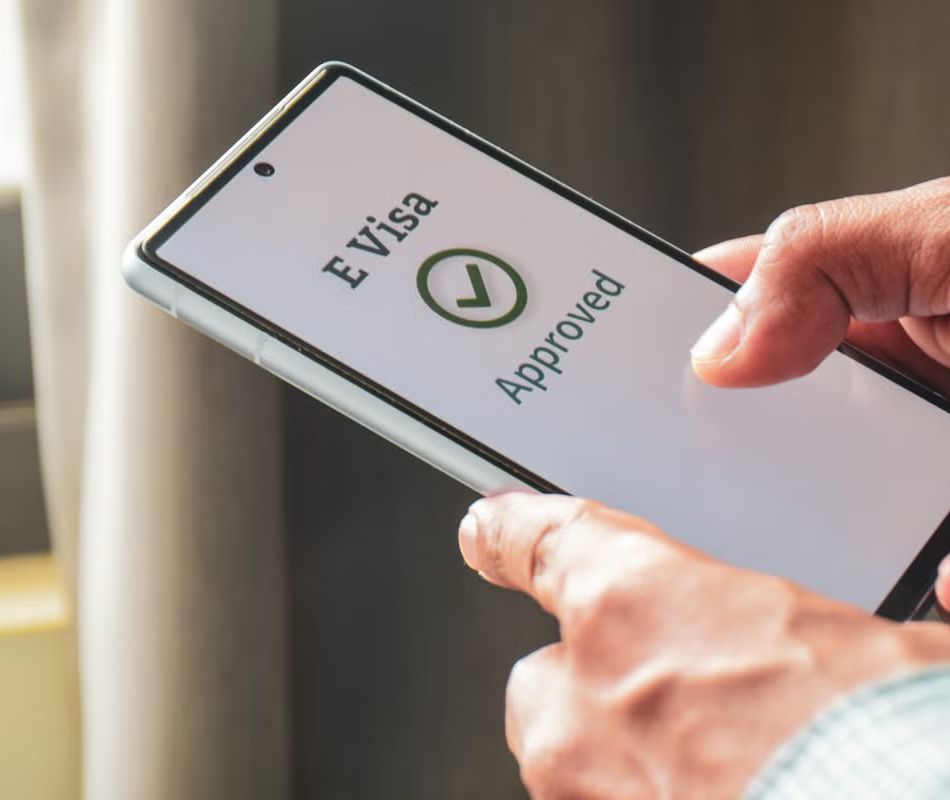
UK eVisa for Pakistani Visitors — 2026 Update
From 25 February 2026, successful Pakistani visitors began receiving digital confirmation of UK immigration status through the eVisa system.
Under this process:
- Applications are still submitted online.
- Applicants still attend a visa application centre.
- Biometrics are still required.
- Successful applicants receive digital immigration status.
- The eVisa can be accessed through a UKVI account.
- Applicants may use a share code to demonstrate their status.
- The passport can generally be retained after the biometrics session.
- Existing valid visa stickers remain unaffected.
The change does not alter the eligibility criteria, visa conditions or processing standards.
Before travelling
Applicants should:
- Confirm their eVisa is visible.
- Ensure their current passport is linked to the UKVI account.
- Check all names, passport numbers and dates.
- Carry evidence of the purpose of travel.
- Keep accommodation and return-travel information available.
UK Visit Visa Fees in 2026
Current government fees
Government charges increased from 8 April 2026 and may change again. Applicants should confirm the fee immediately before payment.
| Application Type | Current Fee |
|---|---|
| Standard Visitor Visa — up to 6 months | £135 |
| Long-term Standard Visitor — 2 years | £506 |
| Long-term Standard Visitor — 5 years | £903 |
| Long-term Standard Visitor — 10 years | £1,128 |
| Visiting academic — up to 12 months | £234 |
| Private medical treatment — up to 11 months | £234 |
| Direct Airside Transit Visa | £41.50 |
| Visitor in Transit Visa | £74.50 |
Additional possible expenses
- – Visa application centre services
- – Document scanning
- – Priority processing where offered
- – Certified translations
- – Courier or travel expenses
- – Medical records
- – Professional service fees
Superior Consulting professional fee
The current professional fee and written scope of assistance are provided before engagement according to the number of applicants, visa duration, purpose of travel and case complexity.

How Long Does a UK Visit Visa Take?
The current standard processing target for an overseas Standard Visitor Visa is approximately:
Three weeks
The processing period normally begins after the applicant has verified their identity and submitted the required documents.
A decision may take longer where:
- Documents require verification
- Financial evidence requires further review
- Information is incomplete or inaccurate
- An interview is required
- The applicant has a criminal or immigration history
- Additional documents are requested
- UKVI is experiencing increased demand
- Technical disruption affects processing
The three-week timeframe is a service estimate, not an approval or decision guarantee.
Travel-booking advice
Applicants are not required to purchase flights before applying or before receiving a decision.
Avoid making non-refundable bookings that could cause financial loss if processing is delayed or the application is refused.
What Can You Do on a UK Standard Visitor Visa?
Depending on the stated purpose and permitted activities, a visitor may:
- Travel for tourism
- Visit family and friends
- Attend meetings and conferences
- Negotiate and sign contracts
- Attend trade fairs without directly selling
- Complete short study
- Attend an examination
- Volunteer for up to 30 days with an eligible charity
- Undertake certain approved professional activities
- Receive private medical treatment
- Transit through the UK where permitted
The activity must remain within the Visitor Rules.


What Can You Not Do on a UK Visit Visa?
A visitor generally cannot:
- Take ordinary paid employment
- Undertake ordinary unpaid work for a UK organisation
- Work as a self-employed person in the UK
- Claim public funds
- Live in the UK through frequent or successive visits
- Make the UK their main home
- Marry or give notice of marriage under the Standard Visitor route
- Use the visa for an activity requiring another immigration category
A visa holder must also follow the individual conditions attached to their permission.
Can I Reapply After a UK Visit Visa Refusal?
A new application may generally be submitted after refusal, but the previous decision should first be reviewed carefully.
Before reapplying, assess:
- The refusal reasons
- Evidence the decision maker found unconvincing
- Financial inconsistencies
- Sponsor concerns
- Purpose-of-travel weaknesses
- Home-country ties
- Information omitted from the first application
- Whether circumstances have materially changed
Submitting the same application again without correcting the identified concerns may result in another refusal.
A new application should be factually accurate and supported by stronger or better-explained evidence—not merely a longer cover letter.
UK Visit Visa Assistance Across Pakistan
UK Visa Consultant in Karachi
Applicants in Karachi and Sindh may receive in-person assessment, consultation and documentation support through our Karachi Head Office.
UK Visit Visa Assistance in Lahore
Clients residing in Lahore and other cities in Punjab may receive online consultation and remote document coordination through our Pakistan team.
UK Visa Consultant for Islamabad and Rawalpindi
Applicants in Islamabad, Rawalpindi and surrounding areas may complete most assessment and preparation stages remotely.
Nationwide Pakistan Support
Superior Consulting serves applicants residing in:
Karachi, Lahore, Islamabad, Rawalpindi, Faisalabad, Multan, Peshawar, Sialkot, Hyderabad, Quetta, Gujranwala and other cities across Pakistan.
Applying From Dubai, the UAE or the GCC?
Applicants residing in Dubai, Abu Dhabi, Sharjah, Ajman, Saudi Arabia, Qatar, Oman, Kuwait or Bahrain may receive regional support through Superior Consulting Global LLC-FZ, Dubai. The Dubai office is familiar with UAE and GCC documentation, including:
- Residence visas
- Emirates ID
- UAE employment contracts
- Salary certificates
- Trade licences
- Corporate bank statements
- VAT and corporate tax records
- GCC travel histories
- Regional business documents


How Superior Consulting Can Help:
- Expert Advice: Our experienced consultants provide personalized guidance on the specific requirements for your visa category and circumstances.
- Streamlined Application Process: We meticulously prepare and submit your application, minimizing processing time and maximizing your chances of success.
- Thorough Knowledge of UK Immigration Law: We stay up-to-date on the latest immigration rules and policies, ensuring your application complies with all relevant regulations.
- Successful Track Record: Since 2004, we've helped countless individuals achieve their UK travel goals
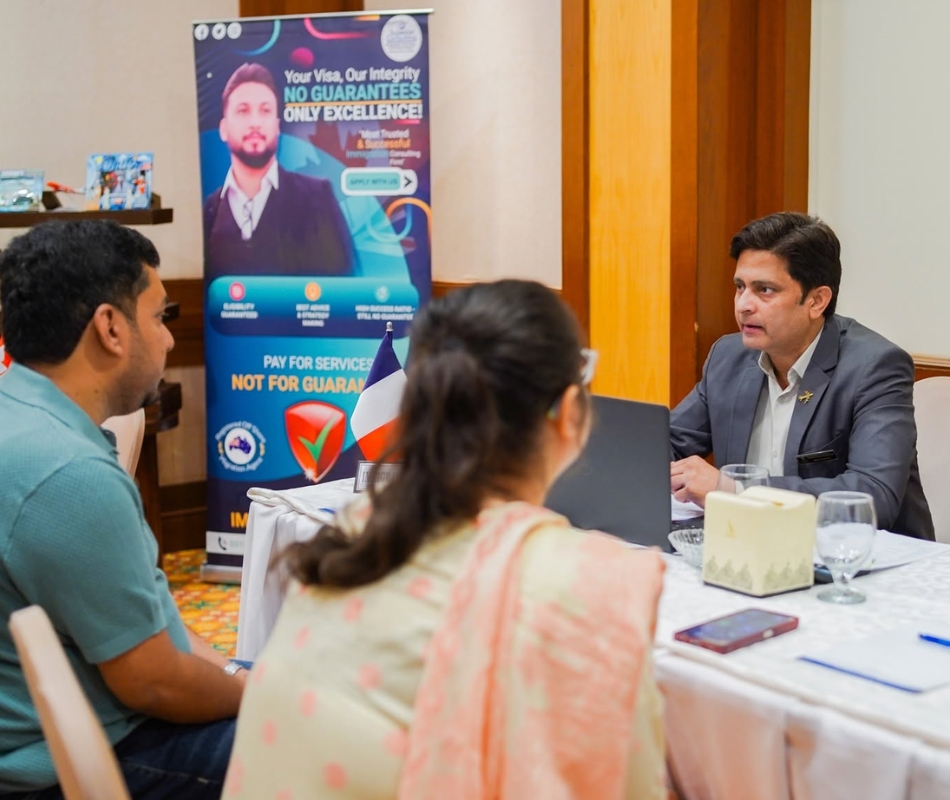

Contact Superior Consulting
Superior Head Office Karachi Details:
Pakistan UAN: (021) 111-002-345
Karachi Lines: +92-21-35658107 to 09
Additional Lines: +92-21-35657361 and 35657362
Mobile: +92 334 3522967
WhatsApp: +92 334 3522967
Email: info@superior.com.pk
Dubai Office Details:
Call or WhatsApp: +971 56 171 2877
Alternative UAE contact: +971 50 947 6307
Send Us Email: info@superiorglobal.ae
Book a Professional Consultation
A 30-minute professional consultation is available for PKR 5,000. The consultation fee is adjustable against our professional service fee when you retain Superior Consulting within 30 days, subject to the applicable terms.