


Study in Malta
Study at Malta Universities & Colleges | Malta Study Permit Guidance | Admissions | Student Visa Assistance

Earn a European Qualification in an English-Speaking Country
Malta offers international students from Pakistan, the UAE, Saudi Arabia, Qatar, Bahrain, Kuwait, Oman and other countries the opportunity to earn a European qualification in an English-speaking member of the European Union and the Schengen Area.
Students can choose from foundation, diploma, bachelor’s, master’s and doctoral programmes in business, information technology, tourism, hospitality, finance, healthcare, engineering and other career-focused fields.
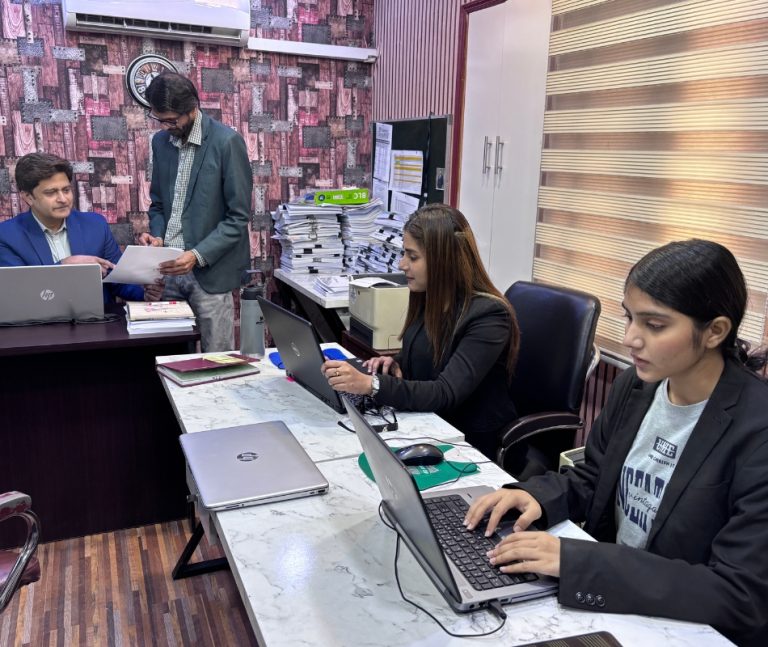
Superior Consulting assists students and families across Pakistan, the UAE and the wider Middle East with institution selection, admission applications, documentation, financial planning and Malta student visa preparation.
Pakistan: (021) 111-002-345
Pakistan WhatsApp: 0334-3522967
UAE: +971 56 171 2877
Email: study@superior.com.pk
Why Study in Malta?
Malta is an attractive European study destination for international students because it offers:
- English-medium education
- European-standard qualifications
- Public and private educational institutions
- Diploma, undergraduate and postgraduate pathways
- Practical and career-focused programmes
- A multicultural international-student environment
- Limited part-time work opportunities for eligible students
- A Mediterranean climate and European lifestyle
- Proximity and convenient flight connections to major European and Middle Eastern cities
- Courses linked to sectors such as tourism, technology, finance, gaming and professional services
Malta uses the Malta Qualifications Framework, or MQF, which is referenced to the European Qualifications Framework.
Before paying tuition fees, students should verify both the institution and the specific programme through the official Malta Further and Higher Education Authority register.
Who Can Apply?
Students may apply from their country of nationality or legal residence, subject to the jurisdiction and procedures of the relevant Maltese mission or authorised visa application centre.
Potential applicants include:
- Pakistani nationals residing in Pakistan
- Pakistani expatriates legally residing in the UAE or another GCC country
- UAE residents of other nationalities
- Students from Saudi Arabia, Qatar, Bahrain, Kuwait and Oman
- International students legally residing elsewhere in the Middle East
Applicants applying from a country other than their country of nationality will generally need to demonstrate valid legal residence in that country. A short-term visit visa may not be sufficient to establish eligibility to file there.
Universities and Colleges in Malta
Malta has public universities, vocational institutions and licensed private education providers.
University of Malta
The University of Malta is the principal public university in Malta, offering undergraduate, postgraduate and doctoral programmes across a wide range of disciplines.
- Business and Economics
- Information Technology
- Engineering
- Humanities and Social Sciences
- Health Sciences
- Education
- Law
- Science
Annual tuition: Non-EU fees vary by programme. For example, some programmes such as BSc Business and IT are around €8,500 per year.
MCAST
The Malta College of Arts, Science and Technology (MCAST) is a public vocational and higher education institution offering programmes from foundation and diploma levels through bachelor’s, master’s and doctoral studies.
- Information Technology
- Engineering
- Applied Sciences
- Business
- Creative Arts
- Construction
- Aviation
- Maritime Studies
- Health and Social Care
Tuition: Non-EU fees vary depending on the programme and level of study.
ITS Malta
The Institute of Tourism Studies (ITS Malta) specialises in tourism, hospitality and culinary education, providing practical and industry-focused training.
- Hospitality Management
- International Tourism
- Culinary Arts
- Food Preparation and Production
- Events Management
- Travel and Guest Services
American University of Malta
The American University of Malta is a private higher education institution offering programmes with an American-style approach to education.
- Business Administration
- Computer Science
- Engineering
- Game Development
- Digital Arts
- Study in Malta
- Study in Malta
- Study in Malta
- Study in Malta
- Study in Malta
- Study in Malta
- Study in Malta
Global College Malta
Global College Malta is a private higher education institution located at SmartCity Malta. It primarily offers programmes in business, management and related postgraduate fields.
GBS Malta
GBS Malta offers career-oriented programmes in business, management, digital technologies and related professional areas.
These institutions are provided as examples, not as automatic recommendations. Students must verify the provider, specific programme, awarding body, MQF level, campus and study mode through the official Malta Qualifications Database.
Popular Courses in Malta
International students commonly consider:
- Business Administration
- Accounting and Finance
- International Business
- Marketing and Digital Marketing
- Information Technology
- Software Development
- Artificial Intelligence
- Data Analytics
- Cybersecurity
- Project Management
- Logistics and Supply Chain Management
- Tourism and Hospitality Management
- Culinary Arts
- Engineering
- Health and Social Care
- English-Language Programmes
The course should represent logical academic or professional progression. Students changing fields must clearly explain how the new programme supports a realistic career plan.
Average Tuition Fees in Malta
Tuition fees depend on the institution, subject, MQF level and duration.
| Programme Level | Indicative Annual Tuition |
|---|---|
| Foundation or certificate | €5,000–€8,000 |
| Diploma | €6,000–€10,000 |
| Bachelor’s degree | €7,000–€13,000 |
| Master’s degree | €8,000–€15,000 |
| Doctoral programme | Approximately €11,000 or more |
| Medical or clinical programme | Usually substantially higher |
The University of Malta currently lists €11,000 per year for full-time doctoral study by non-EU students. Applicants with overseas qualifications generally pay an application-processing fee of €100 before the first deadline, increasing to €200 for later deadlines.
Cost of Living in Malta
| Expense | Estimated Monthly Cost |
|---|---|
| Shared accommodation | €550–€700 |
| Private residence or apartment | €800–€1,600 |
| Food and beverages | Approximately €450 |
| Mobile phone and internet | Approximately €30 |
| Laundry | €80–€100 |
| Electricity and water | From approximately €50 |
| Toiletries, stationery and other expenses | €200–€300 |
A student using shared accommodation should realistically budget approximately €1,300–€1,650 per month, excluding tuition fees, flights and major personal expenses. Private accommodation can increase the monthly cost considerably.
Public transport may be free for eligible e-residence permit holders, subject to registration and current rules. These estimates are based on the University of Malta’s living-cost guidance .
Indicative First-Year Budget
An international student should plan for:
- Tuition fees: approximately €7,000–€15,000
- Living costs: approximately €15,600–€19,800 with shared accommodation
- Visa and application charges
- Insurance
- Air travel
- Accommodation deposit
- Residence formalities
- Initial settlement and emergency funds
Students should not rely on future part-time employment to pay tuition fees or meet essential living expenses.
General Admission Requirements
Requirements vary by institution and programme. Applicants may need:
- Valid passport
- Passport-size photograph
- Secondary and higher-secondary certificates
- Bachelor’s or master’s qualifications, where applicable
- Complete academic transcripts
- English-language evidence
- Updated CV or résumé
- Statement of Purpose or motivation letter
- Employment or experience letters
- Academic or professional references
- Proof of funds or sponsorship
- Application fee
- Portfolio, entrance test or interview, where required
Applicants educated outside Malta may be asked to provide certified, attested or officially translated documents.
Requirements for Pakistan-Based Applicants
Applicants filing from Pakistan may need to present:
- Pakistani educational documents and transcripts
- CNIC or other identity documents
- Family Registration Certificate, where relevant
- Employment or business records
- Personal or sponsor bank statements
- Evidence of the sponsor’s income and relationship
- Tax and business documents, where applicable
- Explanations for study or employment gaps
- Previous travel and visa history
The financial evidence must show that the funds are genuine, traceable and available for the proposed studies.
Requirements for UAE and Middle East Residents
Applicants filing from the UAE or another Middle Eastern country should normally be prepared to provide:
- Valid residence visa or permit
- Emirates ID or corresponding national residence card
- Current employment certificate
- Salary certificate and payslips
- Local bank statements
- Employment contract, where relevant
- Sponsor’s UAE or GCC residence and financial documents
- Evidence of family relationship, if sponsored
- Tenancy, address or legal-residence evidence
- Previous immigration history
A Pakistani or other expatriate applicant residing in the UAE should maintain valid UAE residence throughout the relevant filing period. The right to lodge a visa application outside the country of nationality must be confirmed before filing.
English-Language Requirements
Accepted English evidence may include:
- IELTS Academic
- PTE Academic
- TOEFL
- Cambridge English qualifications
- Another test accepted by the institution
- An approved institutional English assessment
Required scores differ by institution and course. Advanced programmes may require stronger English proficiency.
An institutional IELTS exemption does not prevent visa authorities from examining whether the applicant has sufficient English ability to undertake the proposed studies.
Malta Admission Process
Step 1 – Student Profile Assessment
Superior Consulting reviews the applicant’s:
- Academic qualifications
- Grades
- Study gaps
- Employment history
- English ability
- Financial capacity
- Preferred subject
- Career objectives
Step 2: Course and Institution Selection
We identify suitable options based on academic progression, entry requirements, MQF level, tuition budget and intake availability. The provider and programme should be verified through MFHEA before an application or substantial payment is made
Step 3: Admission Application
The applicant submits the required documents, which may include:
- Academic certificates and transcripts
- Passport
- CV
- English-language evidence
- Statement of Purpose
- Employment documents
- References
- Portfolio or programme-specific material
Step 4: Academic Assessment
The institution may conduct an interview, request additional evidence or issue a conditional offer subject to English, academic or financial requirements.
Step 5: Offer Letter
The offer letter normally confirms:
- Programme title
- MQF level
- Course duration
- Intake date
- Tuition fee
- Payment deadline
- Outstanding admission conditions
Step 6: Tuition Deposit
The required deposit or first instalment should be paid directly to the institution’s official account or authorised platform. Students must obtain and retain the official payment receipt.
Step 7: Final Acceptance and Visa Documents
After the applicant satisfies the admission and payment conditions, the institution may issue the final acceptance, enrolment confirmation and other documents needed for the student visa application.
Malta Student Visa Process
Students undertaking a programme lasting more than 90 days will generally require a Malta Type D national long-stay visa. They may also need to complete residence-permit formalities after entering Malta.
Malta Student Visa Application Process
Step 1: Confirm the Correct Filing Location
The applicant must confirm where the visa application can be lodged:- In the country of nationality; or
- In a country where the applicant holds valid legal residence.
Step 2: Obtain Final Admission
The applicant must have an acceptable admission or enrolment letter and evidence of the required tuition payment.Step 3: Prepare Financial Evidence
The applicant must show sufficient funds for:- Outstanding tuition fees
- Accommodation
- Living expenses
- Insurance
- Air travel
- Other study-related costs
Evidence may include:
- Personal bank statements
- Sponsor’s bank statements
- Salary certificates and payslips
- Employment letters
- Business registration and income records
- Tax documents
- Sponsorship undertaking
- Proof of relationship with the sponsor
- Evidence explaining the source of substantial deposits
Step 4: Arrange Accommodation
The applicant should provide acceptable evidence such as:- Student-residence confirmation
- Rental agreement
- Institution-arranged accommodation
- Other accommodation accepted under the current checklist
Step 5: Obtain Insurance
The applicant must arrange medical or travel insurance that satisfies Malta’s current coverage requirements for the relevant visa and period of stay.Step 6: Complete the Visa File
Common documents include:- Completed and signed application form
- Valid passport
- Recent photographs
- Final acceptance letter
- Course and institution information
- Proof of tuition payment
- Academic certificates and transcripts
- English-language evidence
- Statement of Purpose
- CV and employment documents
- Financial and sponsorship evidence
- Accommodation confirmation
- Insurance
- Travel itinerary, where requested
- Legal-residence evidence for applicants filing outside their country of nationality
- Previous visa and refusal history
- Additional documents required by the authorities
Step 7: Book and Attend the Visa Appointment
The applicant follows the designated Malta visa application procedure in Pakistan, the UAE or the relevant country of legal residence.The current application centre, appointment system, visa fee, service charges and document checklist should be reconfirmed before filing because procedures may change.
Step 8: Submit Biometrics and Attend an Interview
Applicants may be asked to explain:- Why they selected Malta
- Why they chose the institution
- How the programme relates to their background
- Why a similar programme was not selected locally
- Who will finance the studies
- Where they will live
- How the course will improve their career
- Their plans after graduation
Step 9: Visa Processing
Processing time depends on the season, application volume, verification requirements and whether further documents or an interview are requested.Students should apply early. MCAST advises visa-requiring students to begin the process at least 75 days before the course commences.
Admission does not guarantee visa approval. The final decision is made exclusively by the Maltese authorities.
Step 10: Travel and Residence Formalities
After approval, the student travels to Malta and completes institutional enrolment and any required residence procedures.Students must continue to maintain:
- Valid immigration status
- Required attendance
- Satisfactory academic progress
- Valid insurance
- Registered accommodation
- Compliance with employment restrictions
Can International Students Work in Malta?
Eligible non-EU students may generally work for up to 20 hours per week, subject to:
- Their programme and immigration category
- Any applicable initial waiting period
- Valid residence documentation
- Employment authorisation
- Jobsplus requirements
- Continued attendance and academic progress
Permission to work is not automatic. Students and employers must comply with the applicable process.
Part-time work should be treated as supplementary income and professional exposure—not as guaranteed funding for tuition or living costs. Current requirements should be checked through Jobsplus Malta.
Opportunities After Graduation
Completing a qualification in Malta does not automatically grant a work permit or permanent residence.
A graduate wishing to remain must qualify under the immigration rules available at that time. This will normally require suitable employment and the relevant employer-supported work and residence authorisation.
No institution or consultant can guarantee:
- Part-time employment
- A graduate job
- Conversion to a work permit
- Permanent residence
- Settlement or citizenship
Common Reasons for Malta Student Visa Refusal
A student visa may be refused because of:
- An unlicensed provider or unaccredited programme
- Weak academic progression
- An unrelated course without proper explanation
- Unexplained study or employment gaps
- A generic or copied Statement of Purpose
- Insufficient finances
- Large unexplained bank deposits
- Weak sponsor documentation
- Unverifiable education or employment records
- Inadequate accommodation
- Non-compliant insurance
- Contradictory interview answers
- Failure to disclose previous refusals
- Lack of a credible study purpose
- Excessive focus on work or migration
A strong application should establish genuine academic purpose, logical course selection, sufficient finances and complete, verifiable documentation.
Apply to Study in Malta
Superior Consulting supports international students from Pakistan, the UAE and the wider Middle East with:
- Initial profile assessment
- Course and institution shortlisting
- MFHEA accreditation verification
- Admission application assistance
- Statement of Purpose preparation
- Academic-document review
- Financial and sponsorship planning
- Student visa documentation
- Interview preparation
- Pre-departure guidance
Contact Superior Consulting
Superior Head Office Karachi Details:
Pakistan UAN: (021) 111-002-345
Karachi Lines: +92-21-35658107 to 09
Additional Lines: +92-21-35657361 and 35657362
Mobile: +92 334 3522967
WhatsApp: +92 334 3522967
Email: info@superior.com.pk
Dubai Office Details:
Call or WhatsApp: +971 56 171 2877
Alternative UAE contact: +971 50 947 6307
Send Us Email: info@superiorglobal.ae
Book a Professional Consultation
A 30-minute professional consultation is available for PKR 5,000. The consultation fee is adjustable against our professional service fee when you retain Superior Consulting within 30 days, subject to the applicable terms.